Historical Context of Freedom on the Move
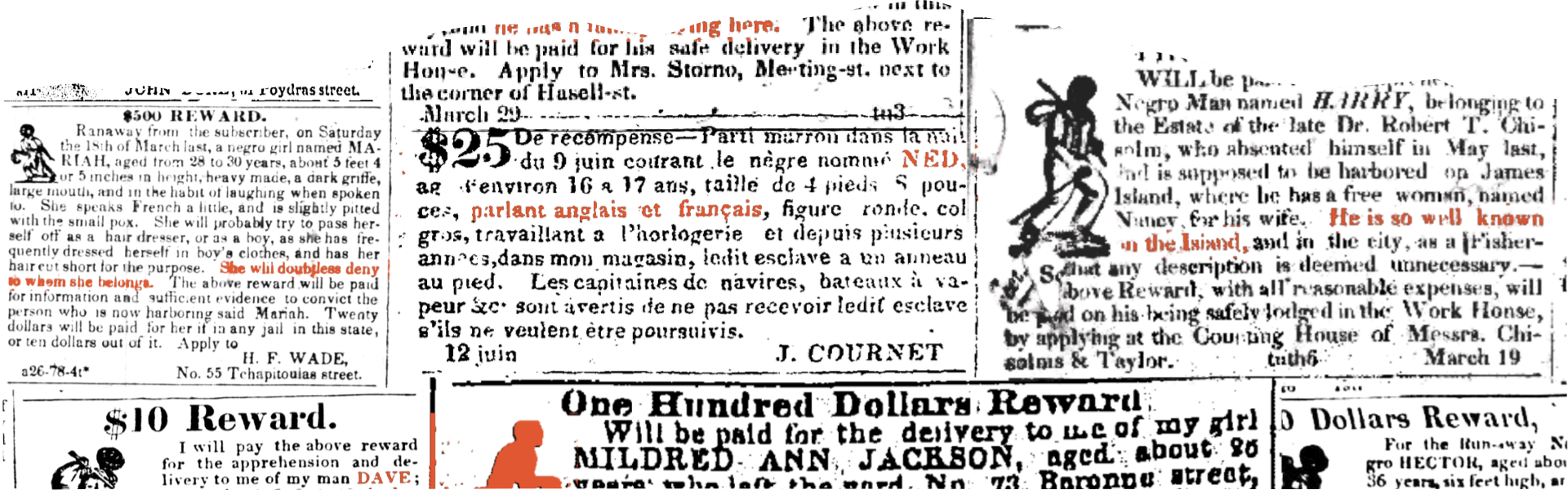
Fugitivity: (noun) the condition, practice, and meaning of flight from enslavement.
At its most basic, fugitivity describes the act of enslaved people escaping from bondage—whether temporarily (running away for days or weeks) or permanently (seeking freedom in free states, maroon communities, or abroad). But scholars also use the term more broadly to describe the ways enslaved people refused, resisted, and eluded the totalizing control of slavery.
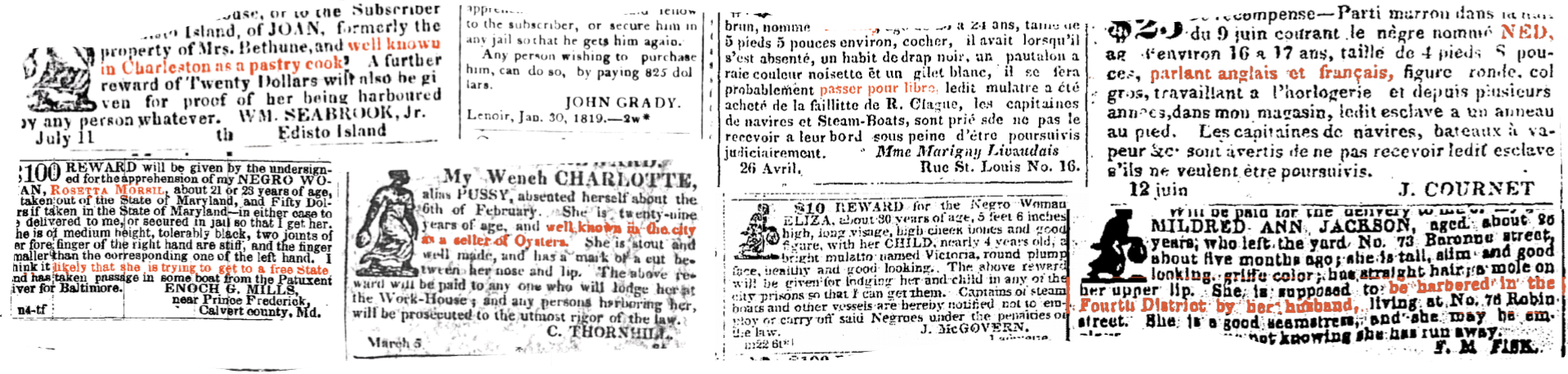
Fugitivity was often a kinship practice—motivated and structured by family ties, care networks, and obligations of love.
Escaping for Kin
Many enslaved people fled in order to reunite with spouses, children, or parents who had been sold away or lived on a different plantation. Flight was a means of repairing kinship ruptured by slavery’s forced separations. Advertisements for “runaways” often noted that fugitives were likely seeking relatives.
Escaping with Kin
Fugitivity frequently took the form of collective flight. Parents carried children, siblings fled together, and friends formed family-like bonds in escape. These decisions highlighted how care and kinship could outweigh the dangers of capture and violence.
Creating Kin Through Fugitivity
Even when people fled alone, they often joined maroon communities, free Black households, or fugitive networks (like the Underground Railroad) that functioned as extended kin. These networks replaced stolen family connections with chosen ones.
Kinship as Strategy
Knowledge of kin relations shaped escape itself. Enslaved people used kin in distant locations as destinations, relied on coded communication with relatives, and depended on kin-based trust networks for food, shelter, and information.
Remembering and Reclaiming Kin
Even unsuccessful flights—when someone was caught or forced back—were kinship practices. They embodied the refusal to accept family separation as final, and they left memory traces that descendants still interpret as acts of love and belonging.
In short, fugitivity was a way enslaved people lived out their commitment to kin, redefining “family” not only as blood relations but as chosen bonds of care, solidarity, and survival.
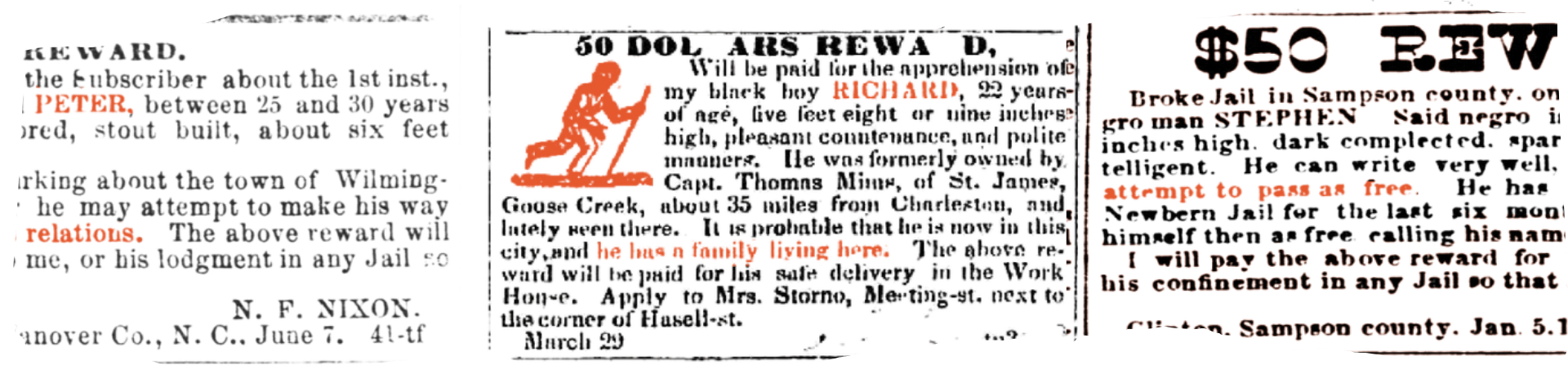
In some cases, fugitivity was also a form of collective organizing, requiring coordination and trust, producing maroon communities as organized societies, activating networks of solidarity, and seeding the cultural and political imagination of freedom that underpinned larger struggles, including those continued today.
Planning and Coordinating Flight
Escapes were rarely spontaneous. They required communication, planning, and trust. Groups of enslaved people sometimes fled together — families, neighbors, or even whole work gangs — pooling skills, knowledge of terrain, and resources. This kind of coordination mirrored organized collective action, even if the goal was simply freedom.
Maroon Communities
In swamps, mountains, and forests, fugitives established maroon settlements that functioned as autonomous societies. These were organized spaces of survival, where people created systems of labor, defense, and governance. They became training grounds for collective life beyond slavery.
Networks of Support
Fugitivity relied on broader support networks: enslaved and free Black people who passed along news, shared food, or sheltered runaways. These informal networks were proto-political structures, akin to grassroots organizing, in which community members coordinated to resist slavery’s reach.
Rebellion and Insurrection
In some cases, fugitivity was directly tied to collective uprisings. Escapees sometimes regrouped to launch attacks on plantations, liberate others, or link up with broader revolts (for example, maroons in Jamaica and Suriname, or communities of runaways in the U.S. South who aided rebellions).
Creating Shared Political Vision
Even when not tied to open revolt, fugitivity embodied a collective refusal of enslavement. Each act of escape contributed to a larger culture of resistance that circulated across plantations through stories, songs, and rumors. In this way, fugitivity inspired others, spreading a shared vision of freedom.F